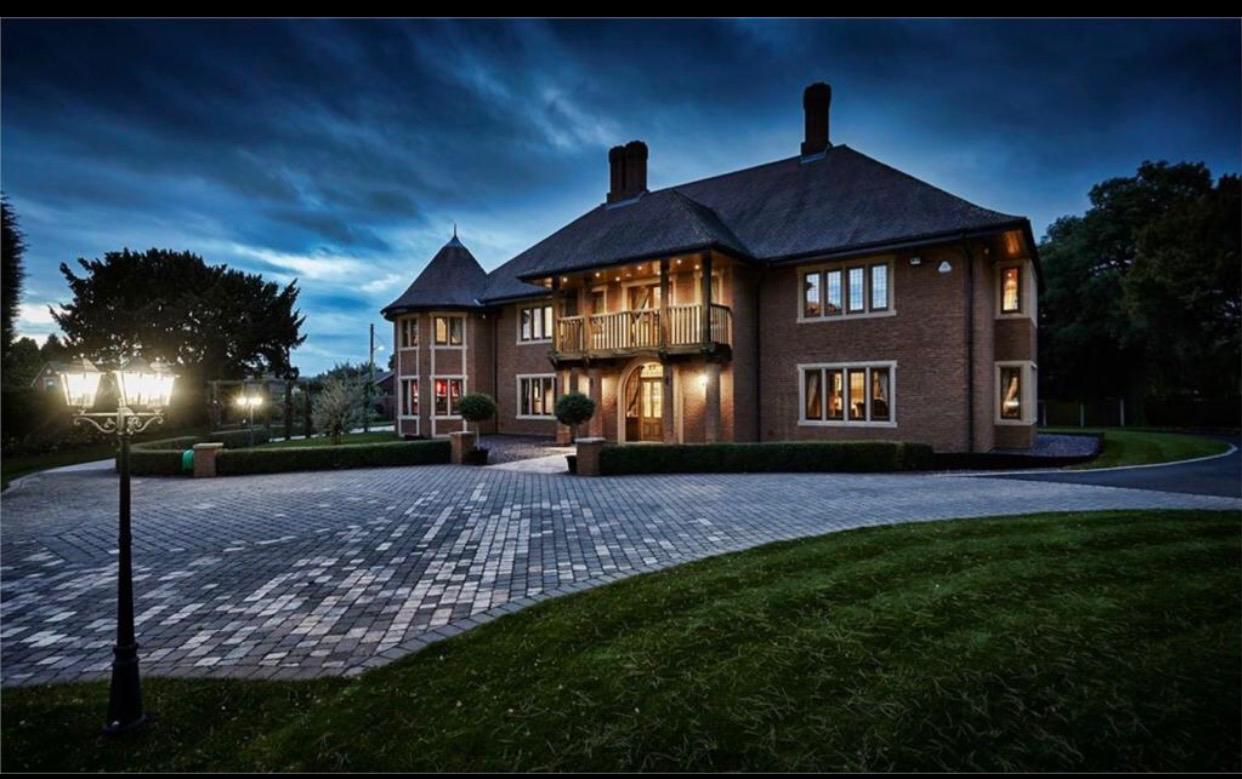
Portals show what is available. They do not show what is possible. They do not tell you what is overpriced, what is negotiable, or what has not even hit the market yet.
This is not a criticism of Rightmove or Zoopla. As a starting point they are useful. The problem is when buyers treat them as the whole picture, as if everything worth buying is sitting there waiting to be found with a postcode and a price filter.
It is not. Buyers who fail to recognise that are already at a disadvantage before they have even made a single call.
What buyers miss
The best opportunities are often not the most visible ones.
Off-market properties, sold quietly before or without public listing, can offer better value, less competition, and more room to negotiate. They exist because some vendors want a more discreet, controlled route rather than the noise of an open market campaign.
But access like that rarely comes from scrolling harder. It comes from being positioned correctly, approaching the market properly, and having the right relationships around you.
Even on-market, most buyers still approach property with no real strategy. They react, become emotionally attached, estimate a number, and hope it works out. That is not buying well. That is buying emotionally.
The smarter approach
Buying well is not just about finding a property. It is about how you position yourself, how you negotiate, and how you move at the right time.
The portal gets you to the door. What happens next determines whether you overpay, miss out, or secure it properly.
Strong buyers come in with a clear assessment of value. They understand the market around the property, not just the asking price. They know where the leverage is and how to use it without damaging the deal.
That is where outcomes change. Not at the portal. In the preparation, the positioning, and the negotiation that follows.
If you are searching on portals and still missing out or feeling like you are paying too much, the portal is not the problem. The approach is.